
Part of the Contours Landscapes Landscaping Mastery Series
Getting the soil right is the single most important decision in any landscaping project. You can spend a fortune on plants, irrigation, and design – but if the soil beneath them is wrong, everything struggles. At Contours Landscapes, we’ve worked across hundreds of sites in Cape Town and the Western Cape, from the sandy coastal stretches of the West Coast to the clay-heavy valleys of Constantia and the rocky mountain-facing slopes of the Winelands. No two sites are the same, and soil is always the starting point.
If you’d love to pick fruit from your own garden, start with what your planting spot can offer. Our guide to choosing fruit trees for Cape Town takes soil, sunshine, wind, and available space into account, helping you choose a tree you’ll enjoy growing and harvesting for years to come.
This guide is based on over 22 years of practical landscaping experience in Cape Town and the Western Cape. It includes projects from the sandy West Coast, the clay-heavy Southern Suburbs, and the granite slopes of the Winelands. Additionally, the guide covers everything you need to know about soil and plant selection for South African landscapes. Therefore, you will learn how to understand your specific conditions, address any issues that arise, and ultimately choose plants that will truly thrive in your environment.
Soil and Plant Considerations: Why Getting It Right Matters
Experienced landscapers don’t merely visualise what a site could look like; they first assess the soil beneath the surface.
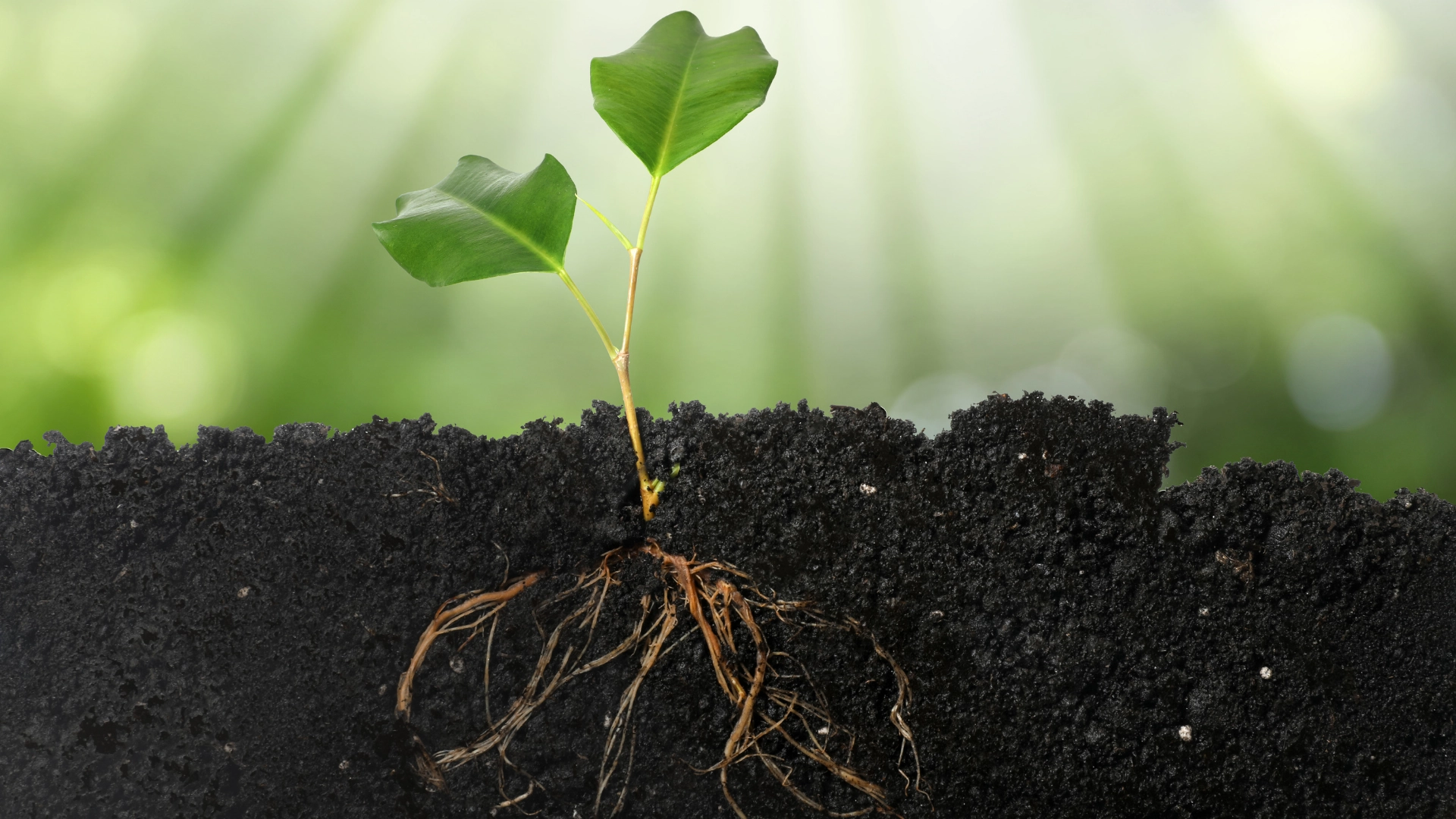
Soil serves three critical functions for plants: it anchors their roots, supplies water and nutrients, and provides the physical structure necessary for growth. If the soil conditions are poor, plants can become stressed, susceptible to disease, and short-lived. Conversely, when the soil is healthy, even modest-looking plants can thrive with minimal care.
In South Africa, soil conditions can vary significantly—not just between provinces, but also between suburbs, streets, and even individual properties. A landscape that flourishes in Rondebosch may not succeed in Blouberg if the same approach is used. Therefore, understanding your soil is essential; it is the foundation that influences every other decision in landscaping.
The Main Soil Types in Cape Town and the Western Cape
The Western Cape has some of the most diverse and distinctive soil conditions in Southern Africa. Here is what you are likely to encounter depending on where your project is located.
Sandy Soil: West Coast and Coastal Suburbs
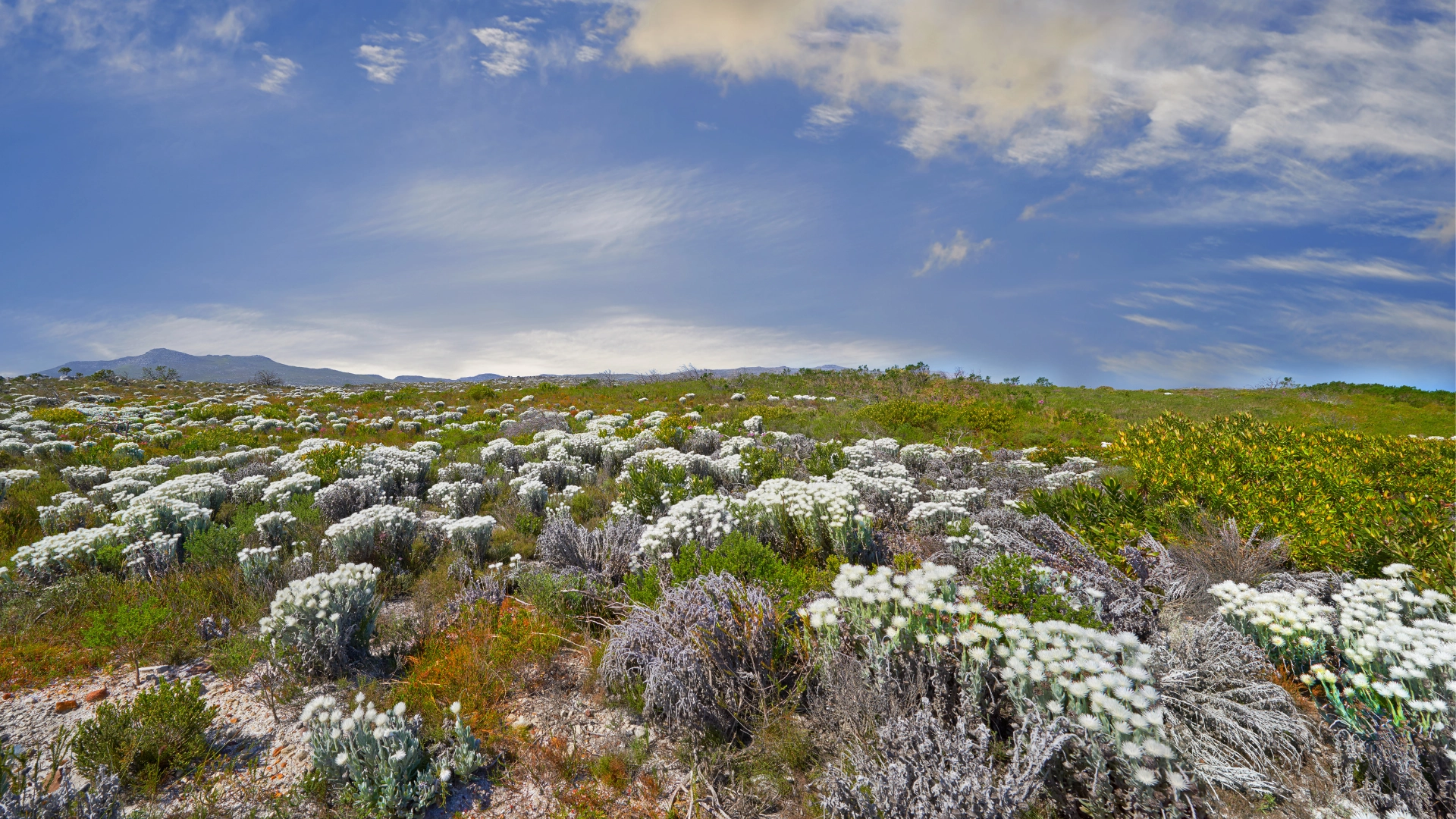
Sandy soil is the dominant type across the West Coast corridor – Bloubergstrand, Melkbosstrand, Langebaan, and into the Northern Suburbs. It drains quickly, warms up quickly in spring, and is easy to work with. The downside is that it holds almost no water or nutrients. Irrigation on sandy soil needs to be more frequent, and organic matter needs to be added regularly to build up the soil’s capacity to sustain plant life.
Plants that perform well in sandy soil: Fynbos species (proteas, ericas, restios), lavender, rosemary, agapanthus, indigenous succulents, and ornamental grasses. Most fynbos actually prefers the low-nutrient, well-drained conditions that sandy soil provides – which is why fynbos garden design works so well in these areas.
What to avoid: Heavy feeders and moisture-loving plants will struggle without significant soil amendment and irrigation infrastructure.
Clay Soil: Southern Suburbs and Valley Floors
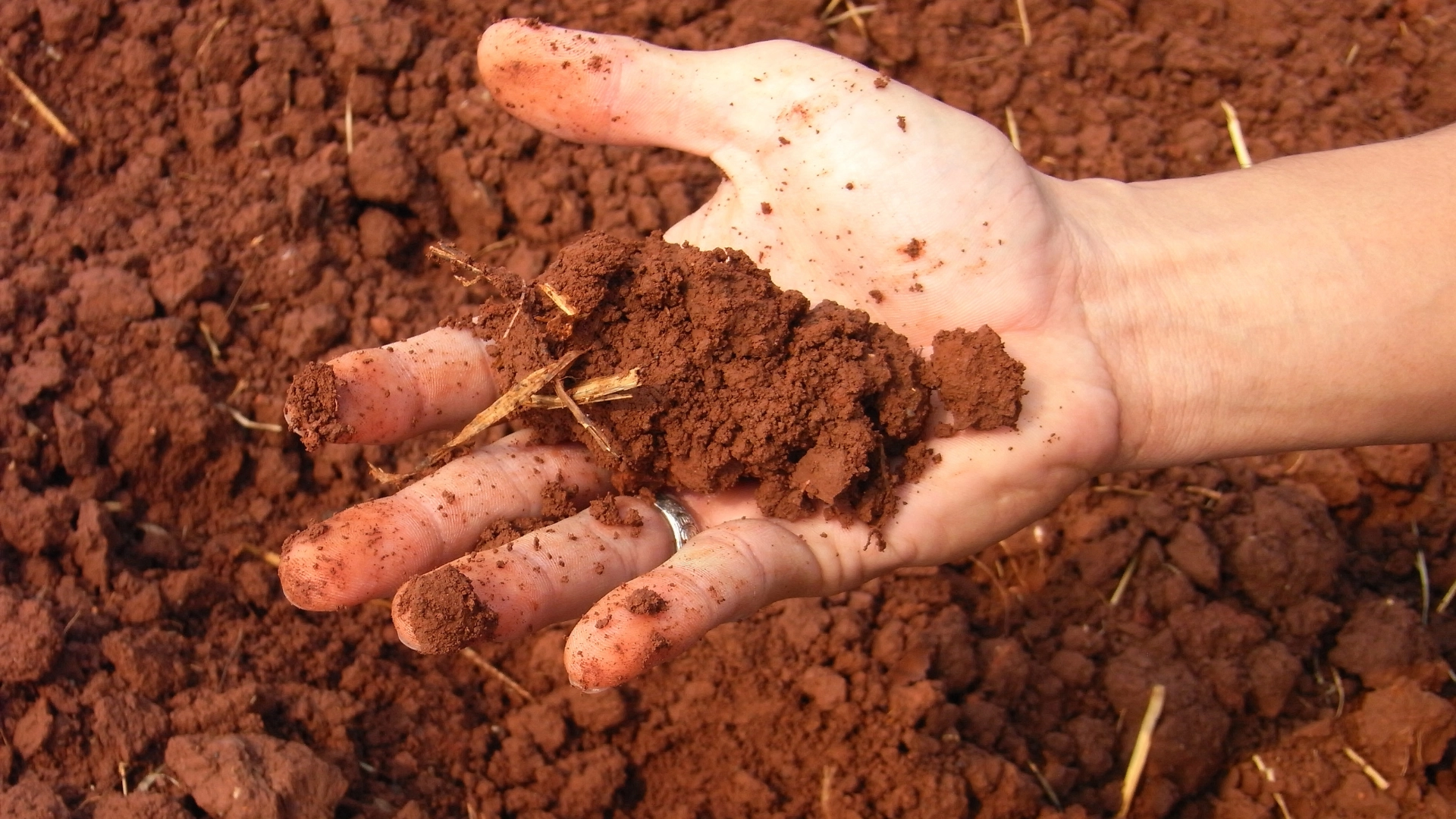
Clay soil is common in the Southern Suburbs – Constantia, Tokai, Wynberg, and the floor of Hout Bay Valley. It is nutrient-rich and holds water well, which sounds ideal. The problem is drainage. In wet winters, clay soil waterlogged for extended periods kills root systems through oxygen deprivation. In dry summers, it bakes hard and cracks, preventing water from penetrating at all.
The fix for clay soil: Break it up with gypsum, add generous quantities of compost, and raise planting beds to improve drainage. On sloping sites, retaining structures – including gabion walls – can create terraced, better-draining planting areas.
Plants that perform well in clay soil once amended include agapanthus, clivias, plumbago, strelitzia, and most indigenous shrubs. Many lawn varieties also establish well in amended clay – if you’re unsure which grass type suits your site, that link covers the major South African options in detail.
Decomposed Granite: Winelands and Mountain-Facing Slopes
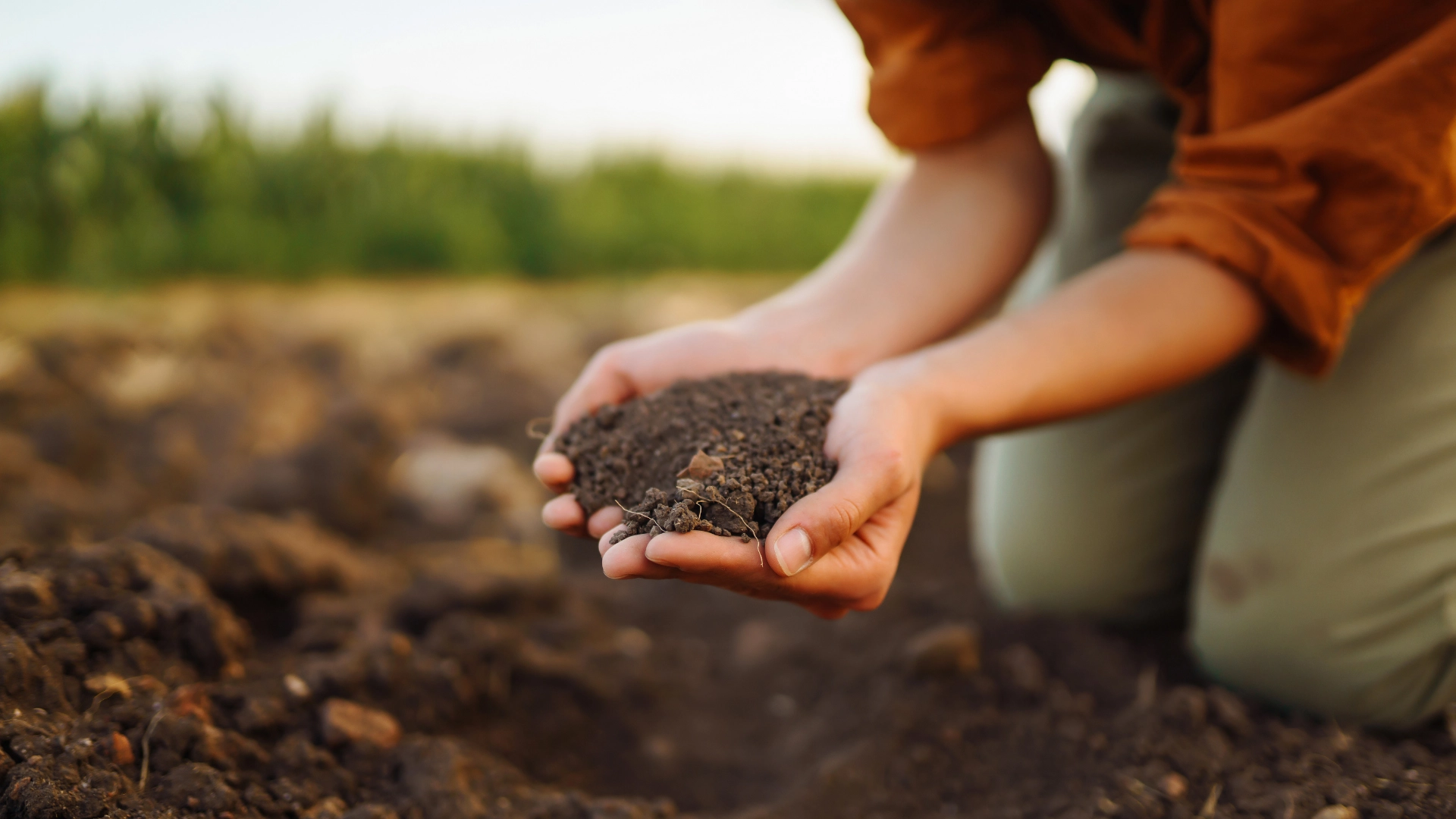
The soils around Stellenbosch, Franschhoek, Paarl, and on the slopes below Table Mountain and the Hottentots Holland mountains are typically decomposed granite – gritty, free-draining, and slightly acidic. This is excellent news for a wide range of plants, particularly proteas, pelargoniums, and Mediterranean species that dislike waterlogging.
The challenge on mountain slopes is the shallow topsoil. Once you get beyond 30–40cm, you often hit rock or compacted subsoil that roots cannot penetrate. Tree establishment requires careful site preparation – wide planting holes, good backfill, and patience.
Plants that thrive in decomposed granite: Proteas, leucospermum, ericas, pelargoniums, and most of the Cape Floral Kingdom’s signature species. This is genuinely where indigenous South African plants evolved to perform at their best.
Loam: The Exception, Not the Rule
True loam – the balanced mix of sand, silt, and clay that gardening books always describe as ideal – is rare in newly developed properties. You’re more likely to encounter it in established older gardens that have been composted and worked for decades. If you’re lucky enough to have it, maintain it. Add compost annually and avoid compaction from heavy foot traffic or machinery.
Shale and Rocky Soil: Atlantic Seaboard and Parts of the Northern Suburbs
Properties on the Atlantic Seaboard, Signal Hill, and parts of the Durbanville hills often have shallow, rocky soils over shale or sandstone. Topsoil depth can be as little as 15–20cm. This limits plant selection significantly and makes tree establishment genuinely difficult without substantial imported soil.
For these sites, the most successful approach is often to work with the conditions rather than against them – using shallow-rooted groundcovers, indigenous succulents, and raised beds for anything requiring deeper root runs.
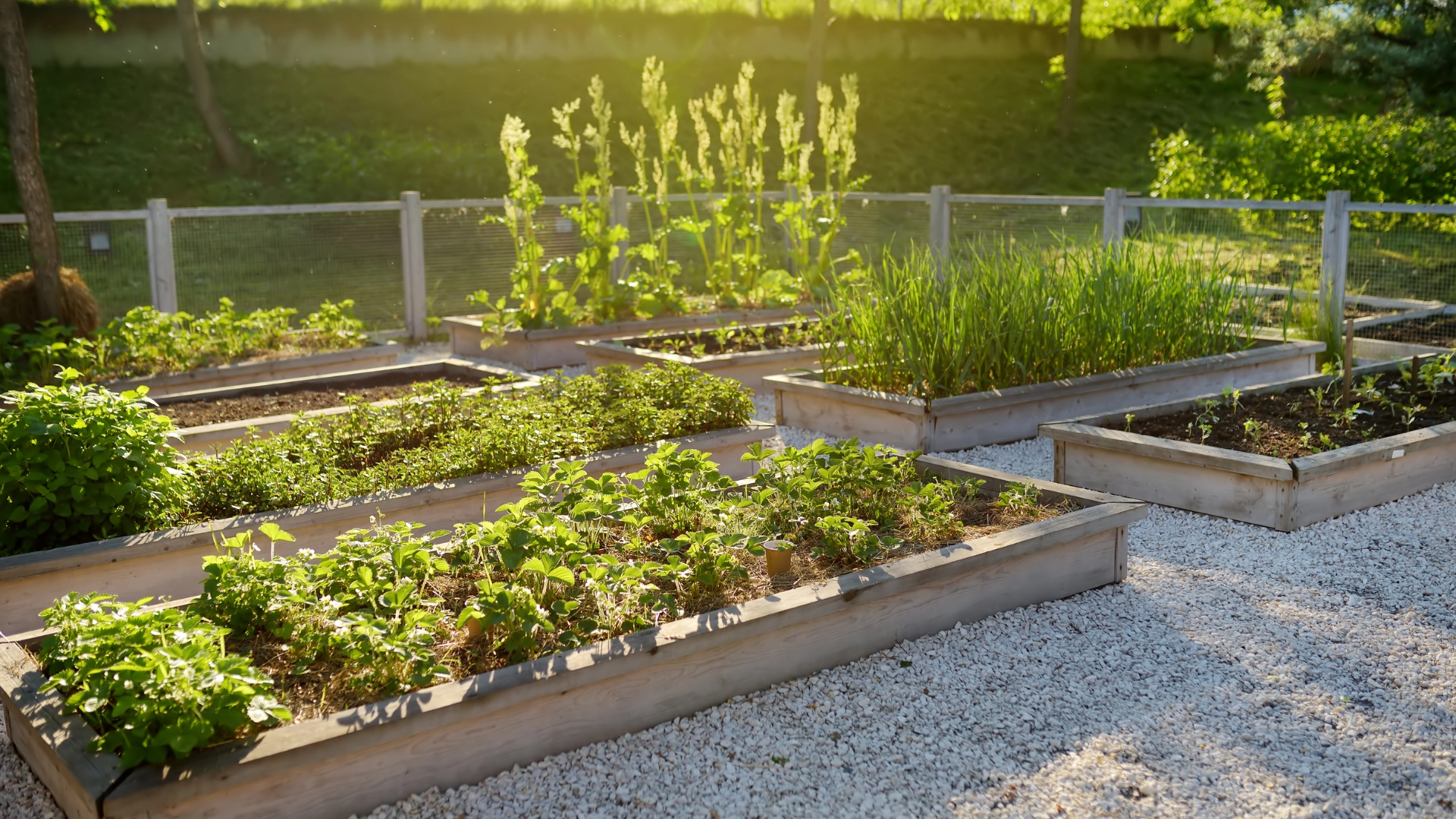
How to Test Your Soil Before Planting
Never assume. Before committing to a plant palette or soil amendment programme, test what you have. There are three approaches:
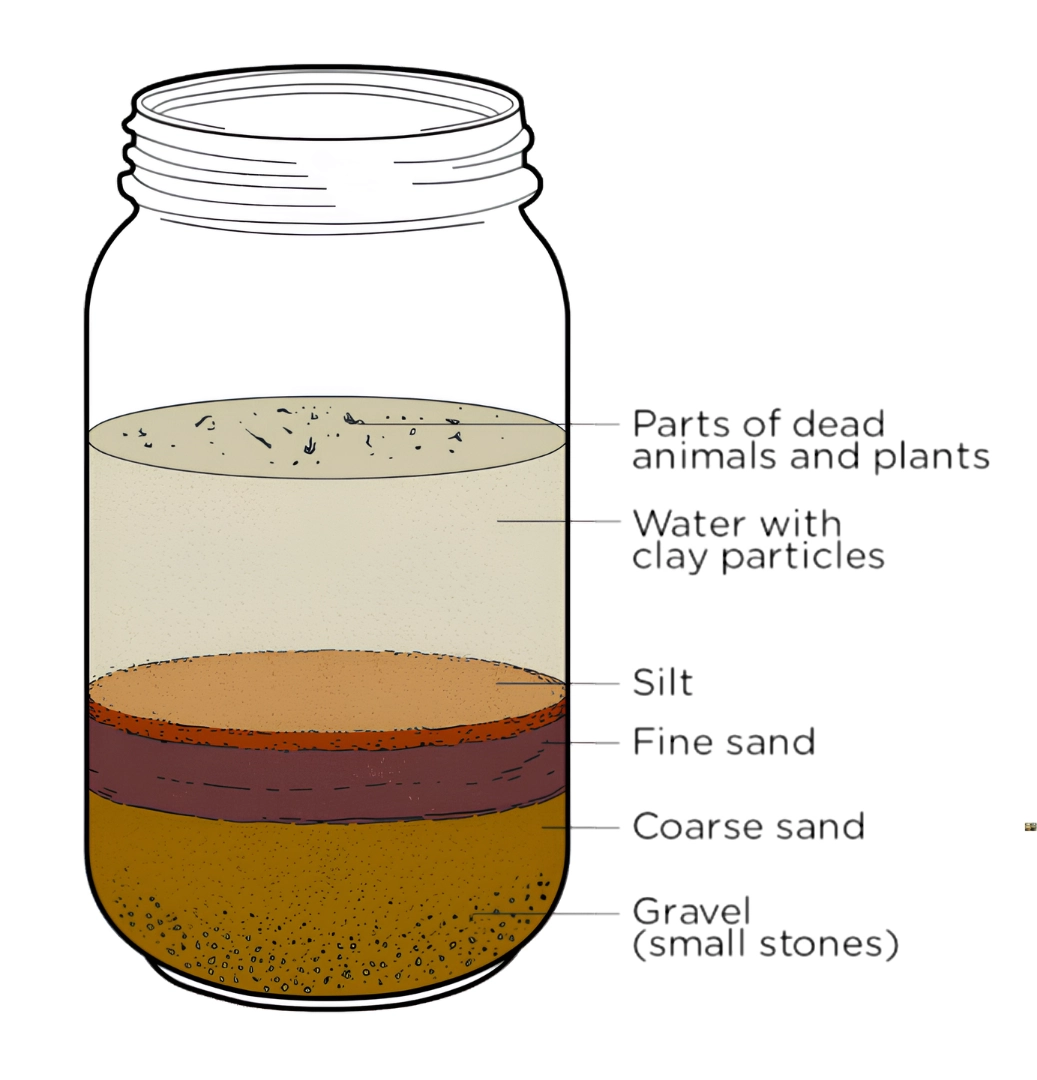
1. The jar test for texture: Fill a jar with soil and water, shake it vigorously, and leave it to settle for 24 hours. Sand settles first at the bottom, silt in the middle, and clay remains suspended at the top. The proportions tell you your soil’s basic character.
2. The squeeze test: Take a handful of moist soil and squeeze it. Sandy soil falls apart immediately. Clay soil holds its shape and feels sticky. Loam holds its shape briefly but crumbles when you poke it.
3. Professional soil testing: For commercial projects or serious landscaping investments, a laboratory soil test is worth every rand. It gives you precise pH, nutrient levels, and organic matter content. SGS South Africa and Bemlab both offer reliable soil testing services for the Western Cape market. Results guide exactly which amendments are needed and in what quantities – removing all guesswork.
Improving Your Soil Before You Plant
Add Compost, Always
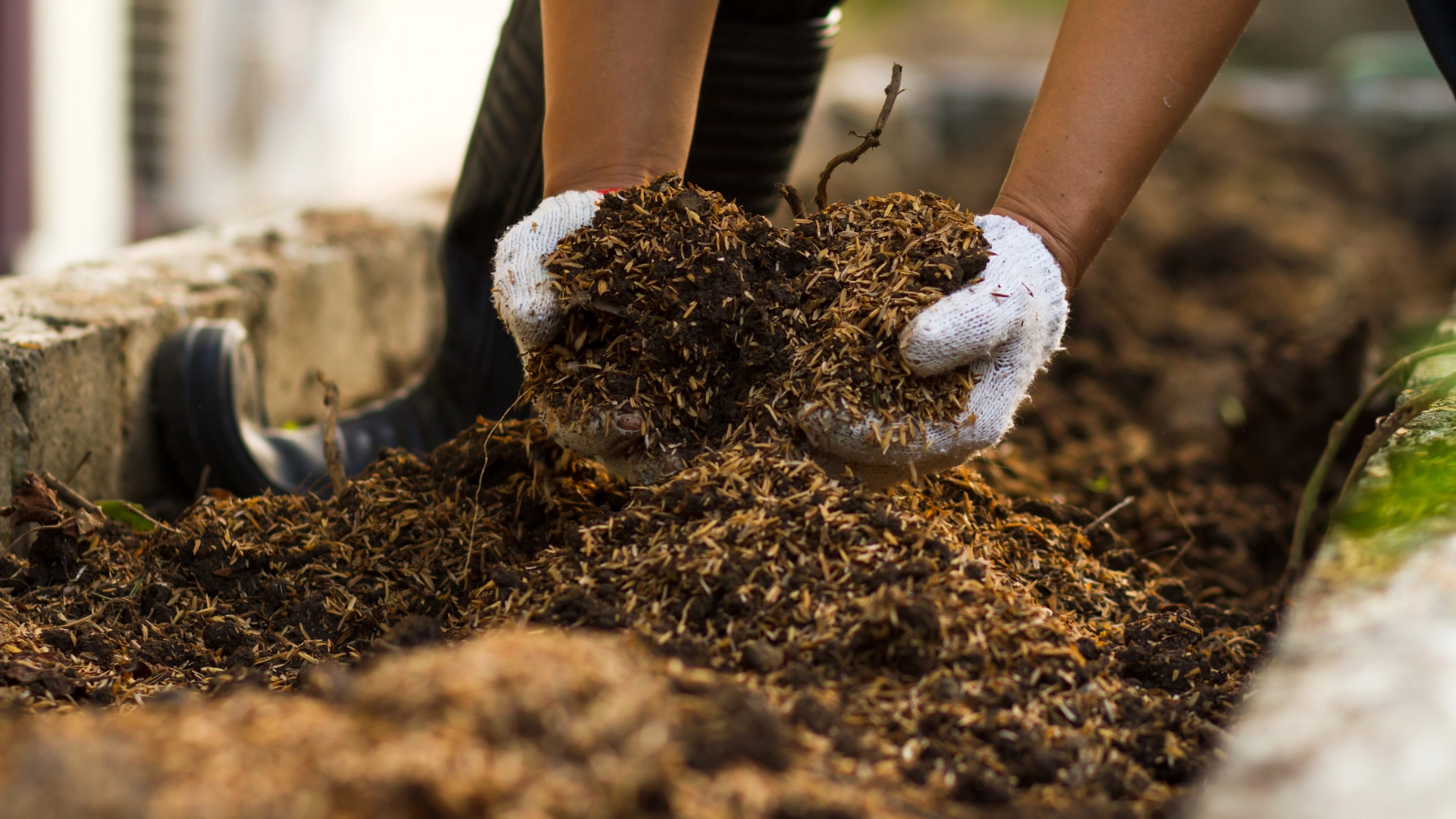
Whatever soil type you have, compost improves it. It improves drainage in clay, improves water retention in sand, feeds soil biology in granite, and builds organic matter everywhere. Incorporate a 10cm layer of good quality compost into the top 30cm of soil before planting. If you want to make your own, our complete composting guide covers the process from start to finish.
Correct the pH
Most South African garden plants prefer a soil pH between 5.5 and 7.0. Fynbos species prefer the lower end (acidic), while most vegetables and lawn grasses prefer the middle range. If your soil is too acidic, add agricultural lime. If it’s too alkaline, add sulphur or acidic compost. A soil test will tell you exactly how much to add.
Mulch After Planting
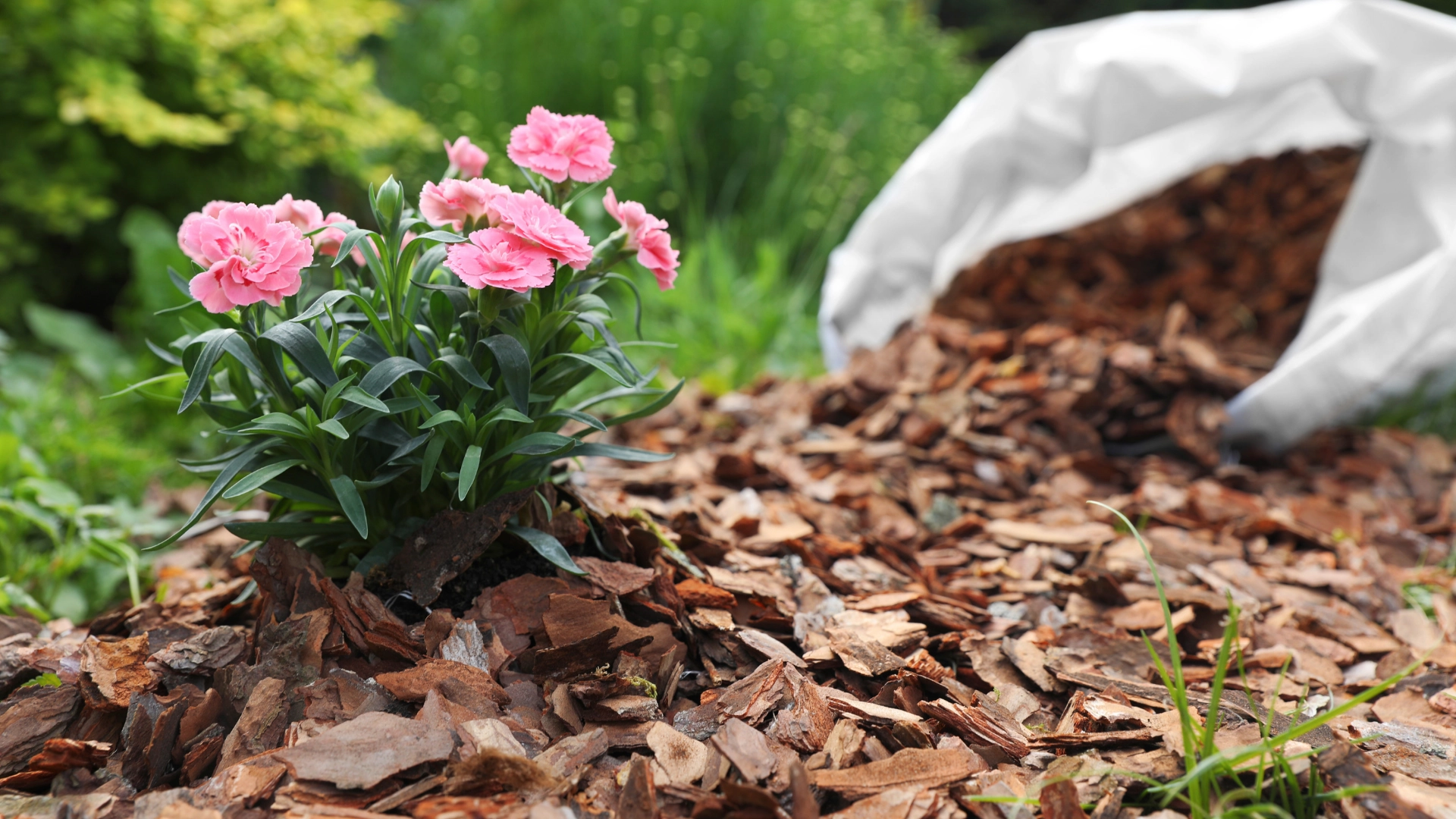
Mulch is one of the highest-return investments in any garden. A 5–8cm layer of organic mulch on top of your soil reduces water evaporation, regulates soil temperature, suppresses weeds, and breaks down over time to feed the soil. In a Cape Town summer, mulch can reduce irrigation needs by up to 30%.
Address Drainage Before You Plant
If your site has drainage problems – standing water after rain, waterlogged patches, or heavy clay – fix these before you plant anything. Drainage problems cannot be mulched or irrigated away. Options include raised beds, French drains, or, where slopes are involved, retaining structures that manage water flow across the site. Our commercial landscaping team regularly addresses complex drainage challenges on large-scale projects where getting this right is critical.
Choosing the Right Plants for Your Soil and Site
Soil type is only one part of plant selection. You also need to consider sun exposure, prevailing winds, water availability, and the purpose the plant is meant to serve. Here is a practical framework.
Match Plants to Conditions, Not Aspirations
The most common mistake homeowners make is choosing plants they love the look of, then trying to force the site to suit them. This leads to constant remediation – extra water, fertiliser, pesticides – and plants that are perpetually stressed rather than thriving.
The better approach is to identify what conditions your site genuinely offers – sun, shade, wind exposure, soil type, irrigation availability – and choose plants that evolved to thrive in those conditions. In the Western Cape, this almost always points toward indigenous species. They are adapted to the soil, the climate, and the seasonal rainfall patterns in ways that exotic species are not.
Indigenous vs Exotic Plants
Indigenous plants are not just an environmental preference – they are often the pragmatic choice. Once established, most indigenous Western Cape plants need minimal irrigation, are resistant to local pests and diseases, and support local bird and insect populations. They also tend to be more resilient during drought years, which is a real and recurring concern in the Western Cape.
Exotic plants have their place – many offer forms, flowers, or textures that indigenous species cannot match. But they should be chosen deliberately, with full awareness of their water and maintenance needs, and they should never be invasive species. South Africa has a serious problem with invasive alien plants that displace indigenous vegetation and consume enormous amounts of water. Before planting any exotic species, check whether it appears on the invasive alien plants list; unknowingly planting a Category 1 invasive species can result in legal liability.
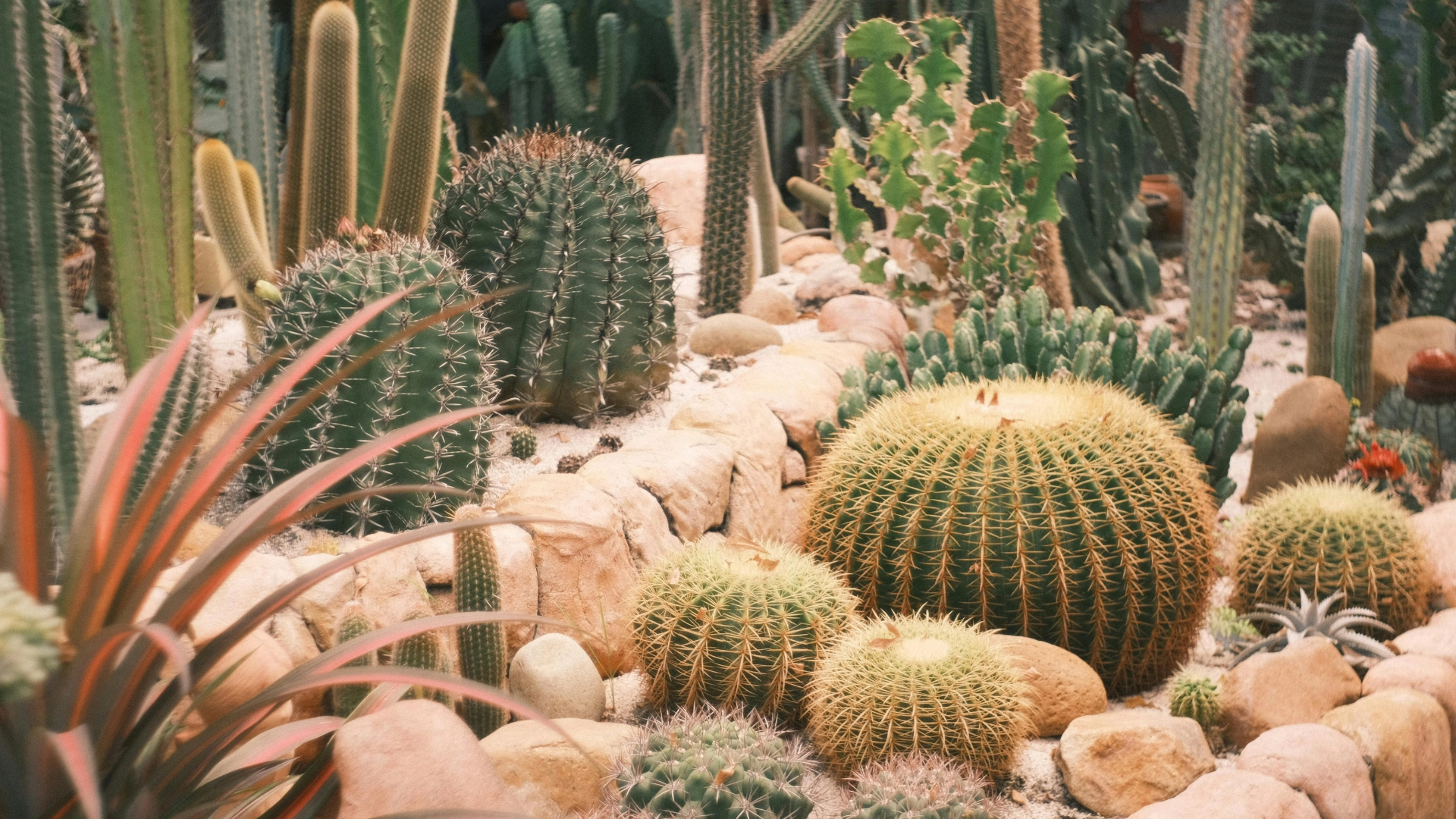
Right Plant, Right Place: A Quick Reference
| Condition | Recommended Approach |
|---|---|
| Full sun, sandy soil, coastal | Fynbos, succulents, lavender, restios, agapanthus |
| Full sun, clay soil | Strelitzia, plumbago, agapanthus, aloes – amend drainage first |
| Part shade, any soil | Clivias, indigenous ferns, acanthus, shade-tolerant grasses |
| Slope or erosion risk | Ground covers (gazania, arctotis, indigenous grasses), gabion terracing |
| High wind exposure | Dense, low-growing indigenous shrubs; avoid large-leafed exotic plants |
| Water-scarce or no irrigation | Fynbos, succulents, restios, drought-tolerant low-maintenance plants |
| Lawn area | Choose grass type based on sun, foot traffic and water availability – see our grass type guide |
When Soil Problems Need Professional Assessment
Most soil challenges – pH imbalance, compaction, low organic matter – can be addressed by any informed homeowner or gardener with the right products and some effort. But some situations genuinely require professional assessment and intervention.
Contaminated soil: If your site was previously commercial or industrial, there is a risk of soil contamination from previous activities. Signs include patches where nothing grows, unusual discolouration, or chemical odours. A professional soil test is essential before any planting.
Large-scale drainage failures: On commercial sites, housing estates, or large residential properties, drainage problems often require engineered solutions – French drain networks, swales, or retaining structures designed to manage water movement across the whole site rather than patch by patch.
Compacted subsoil: On new developments, construction machinery often compacts subsoil to a depth that roots cannot penetrate. This is invisible from the surface but causes persistent problems – waterlogging, poor establishment, trees that never develop properly. Deep ripping or subsoil aeration by a professional is the only real fix.
Large tree root systems: If you’re planting trees on a tight site, near structures, or in shallow soil, the long-term impact of the roots needs to be professionally assessed. Getting this wrong can undermine paving, walls, drainage infrastructure, and neighbouring properties.
Our garden maintenance team can advise on soil health as part of an ongoing maintenance programme, and our installations team handles complex soil and drainage challenges on commercial and large residential projects throughout the full project process.
Ongoing Soil Health: The Long Game
Soil is not a static resource. It changes over time – for better or worse – depending on how you manage it. Good soil management practices compound over years to produce increasingly healthy, productive growing conditions. Neglect compounds too.
The fundamentals of ongoing soil health are simple:
- Add compost every year: even a thin annual top-dressing makes a significant difference over time
- Avoid bare soil: mulch or groundcover always, to prevent erosion and moisture loss
- Minimise chemical inputs: synthetic fertilisers and pesticides degrade soil biology over time; organic alternatives build it
- Avoid compaction: keep foot traffic and machinery off planted areas; use defined paths.
- Water deeply and less frequently: this encourages roots to grow deep into the soil profile rather than staying shallow and vulnerable
Soil that has been well managed for five or ten years is genuinely a different material from neglected soil. It holds more water, drains better, feeds plants more efficiently, and supports a richer ecosystem of soil organisms that do much of the work for you.
Frequently Asked Questions
What is the best soil for a Cape Town garden? It depends entirely on your location and what you want to grow. Sandy soils on the West Coast suit indigenous fynbos perfectly with minimal amendment. Clay soils in the Southern Suburbs need drainage improvement but are highly productive once amended. The honest answer is that there is no universally best soil – the best approach is to understand what you have and work with it.
How do I know if my soil is too acidic or alkaline? A soil pH test is the only reliable way to know. Simple test kits are available from garden centres for around R100–R150. For a full picture, a laboratory test from Bemlab or SGS South Africa gives precise results with specific amendment recommendations.
How much compost should I add to my soil? As a general guide, work in a 10cm layer of compost to a depth of 30cm before planting. For established gardens, a 3–5cm top-dressing annually maintains organic matter levels. More is rarely harmful – it is difficult to over-compost a garden.
Can I fix waterlogged clay soil without major earthworks? Partially. Adding gypsum, compost, and coarse sand improves structure over time. Raising planting beds even 20–30cm above the natural ground level makes a significant difference. But if the waterlogging is severe or site-wide, proper drainage infrastructure – French drains or swales – is likely needed for a permanent solution.
Which plants need the least soil preparation in the Western Cape? Indigenous fynbos species are the most forgiving – they evolved in nutrient-poor, sandy, well-drained soils and actually perform poorly in rich, heavily amended soils. If you want low-intervention planting, fynbos on the right site requires almost no soil preparation beyond basic weed removal.
Should I remove invasive plants before preparing my soil? Yes, and thoroughly. Many invasive alien species – Port Jackson willow, Rooikrans, Hakea – leave behind seed banks in the soil that will germinate for years after removal. Professional removal followed by a monitoring programme is the recommended approach for serious infestations. Read more about invasive alien plants in South Africa before starting any major clearing project.
Ready to Start Your Landscaping Project?
Understanding your soil is the first step. The next is knowing what to do with it – and that’s where professional experience makes the difference between a garden that looks good for a season and one that grows in value and beauty for years.
Whether you’re planning a new commercial landscape, an estate garden, or a large residential project across the Western Cape, get in touch with the Contours team to discuss your site, your soil, and what’s possible.
This is part of our ongoing Landscaping Mastery Series. The next instalment covers Seeds vs Established Plants – what to choose, when, and why.