
Most people assume landscaping is difficult because it’s physical.
Because it involves earthworks, planting, hardscaping, and long hours outdoors.
If you’re trying to decide whether to start a garden from scratch or upgrade an existing one, the real challenge isn’t the work — it’s knowing which decisions matter most early on.
In reality, the hardest part of landscaping has very little to do with the work itself.
What makes landscapes expensive, frustrating, and difficult to fix later is not effort — it’s early decisions made without understanding how they’ll behave over time and what they’ll lock you into long-term. Decisions that seem minor at the time, but quietly commit a garden to problems that only surface months or years later.
This is especially true when starting with a blank piece of ground, or when trying to improve an existing garden that already has structure, levels, irrigation, and planting in place. In both cases, the challenge isn’t knowing what to do — it’s knowing which decisions matter most early on, and which ones can safely be changed later.
This article looks at the real difference between starting a landscape from scratch and upgrading an existing one — not from an aesthetic point of view, but from a decision-making perspective. The aim isn’t to tell you how to landscape a garden, but to help you understand where risk lives, where flexibility exists, and why some landscapes age well while others require constant correction.
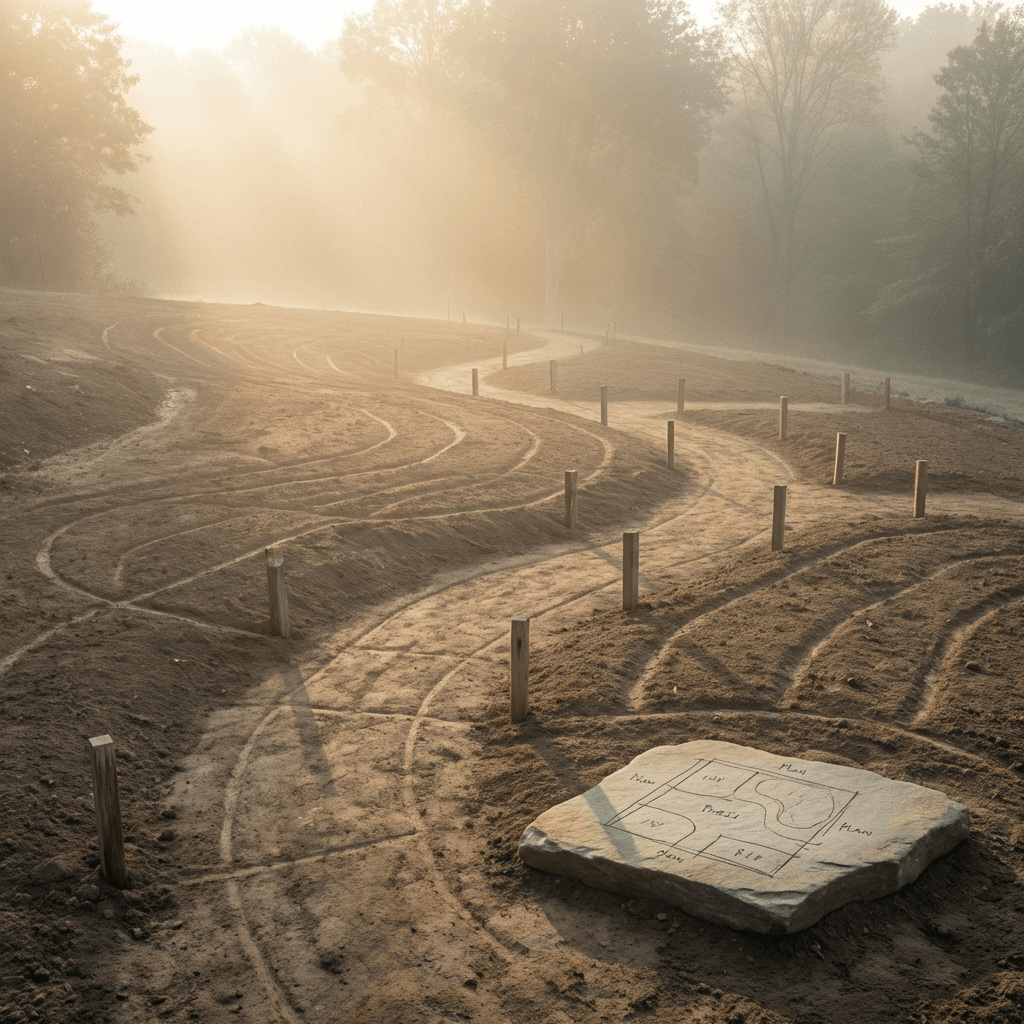
The real decision people are actually facing
When people talk about starting a garden from scratch versus upgrading an existing one, it often sounds like a simple choice between two options.
In reality, that’s rarely what’s happening.
What most people are actually trying to decide is whether they can move forward with confidence — or whether they’re about to invest time, money, and effort into decisions they don’t yet fully understand. The uncertainty doesn’t come from not knowing what they want, but from not knowing which choices will quietly limit them later.
Starting with a blank piece of ground can feel liberating. There are no mistakes to undo, no compromises to work around, and no inherited problems. But that freedom also means that early decisions carry more weight — because there’s nothing in place yet to reveal what might go wrong.
Upgrading an existing garden feels safer on the surface. There’s already structure, planting, and infrastructure to work with. But those same elements can mask deeper issues, locking you into layouts, levels, or systems that were never designed for how the space is actually used today.
In both cases, the challenge isn’t aesthetics. It’s risk. And without experience, it’s difficult to know where that risk sits until it’s already become expensive to correct.
Two fundamentally different starting points
Starting a landscape from scratch and upgrading an existing one may look like two versions of the same task, but they behave very differently once real work begins.
When you start with bare ground, most of the critical decisions are made before you’ve seen the garden in action. Levels are shaped, retaining is built, and infrastructure is placed based on assumptions about how water will move, how the space will be used, and how the landscape will settle over time. If those assumptions turn out to be wrong, correcting them later usually means undoing work that’s already been built around them.
Upgrading an existing landscape introduces a different challenge. There is already visible feedback — areas that flood, lawns that struggle, spaces that don’t get used as intended. The risk here is that changes are often made one problem at a time. Each adjustment can make sense on its own, but when those changes interact with existing levels, drainage, or infrastructure, new problems can quietly emerge elsewhere.
Neither starting point is inherently better. The difference lies in when and how mistakes reveal themselves. Starting from scratch places pressure on early decisions, when there is no real-world feedback yet. Upgrading spreads risk across multiple stages, where issues surface gradually and are harder to trace back to a single cause.
Understanding this difference is what allows better decisions to be made — before time, money, and effort are committed in ways that are difficult to reverse.
The decisions that are easy to change, and the ones that aren’t
One of the biggest mistakes people make when planning a landscape is treating all decisions as if they carry the same weight. In reality, some choices are forgiving, while others quietly lock you into long-term consequences.
Planting is a good example of a forgiving decision. In most gardens, individual plants can be moved, replaced, or removed with relatively little disruption. Some thrive, others don’t — especially in exposed or coastal environments where wind, salt, and water availability play a bigger role than expected. These outcomes usually reveal themselves within months, and correcting them is rarely structural or expensive.
For example, a plant that struggles in a windy or exposed area will usually show signs of stress within a season. Replacing it may involve time and experimentation, but it rarely affects anything beyond that planting pocket.
Problems tend to arise when the same trial-and-error mindset is applied to systems and structure.
Where most long-term landscape problems begin
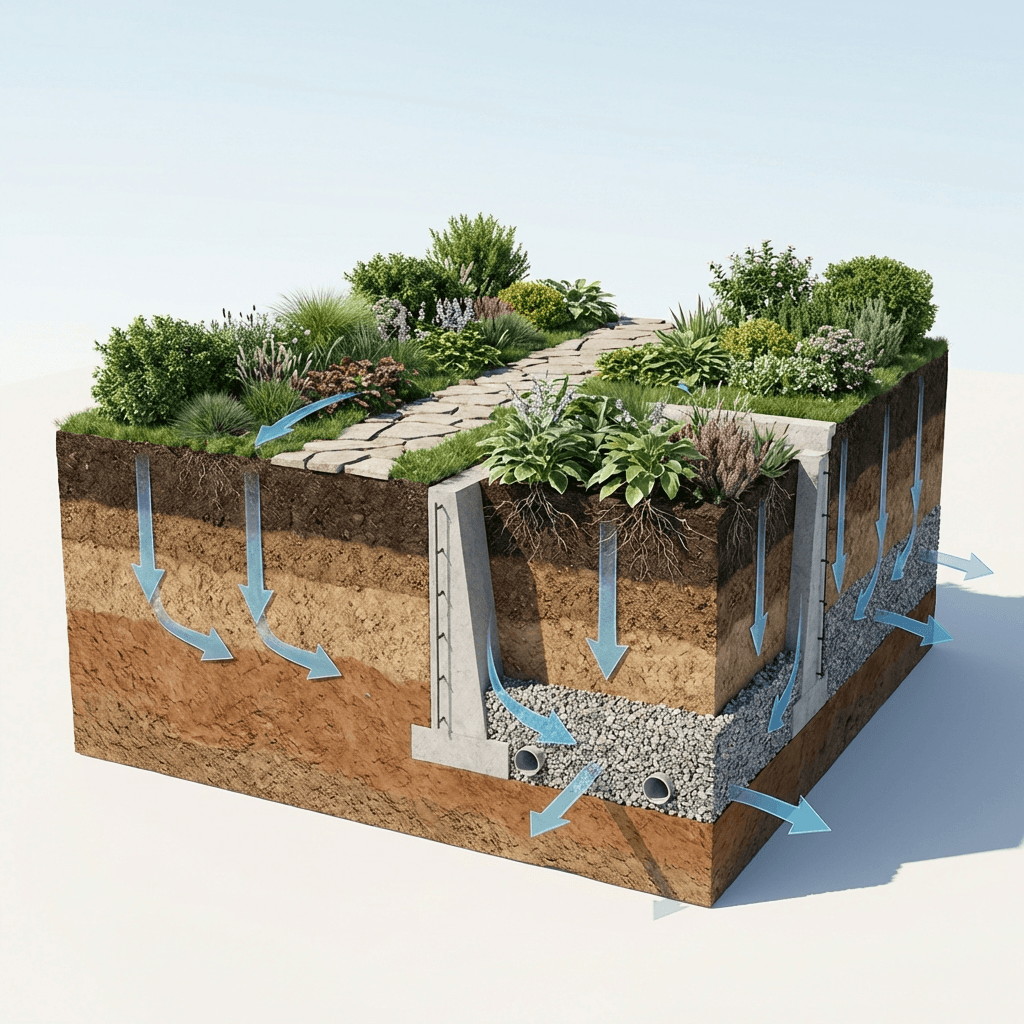
Elements like retaining, levels, drainage, stormwater management, and irrigation form the backbone of a landscape. Once they are in place, everything else depends on them. When they fail, they don’t do so quietly. Water overwhelms assumptions about permeability, gravity exposes weaknesses in retaining, and irrigation choices affect plant health across entire sections of a garden rather than in isolation.
By contrast, a drainage or irrigation decision made early can affect an entire section of a garden. When water moves incorrectly, or systems work against each other, the impact is rarely local — it spreads, often requiring finished areas to be disturbed to correct it.
There is also a third category of decision that often goes unnoticed: sequencing. Even when the right elements are chosen, the order in which they are installed matters. Structural components placed on unstable foundations, or water systems designed without understanding how rain and runoff will actually behave, can compromise everything that follows. These decisions often feel small at the time, but they become foundational once other work relies on them.
Not all system decisions are high-cost or complex. Some of the most effective long-term improvements are those made early, with a clear understanding of how water, gravity, and use patterns interact. When these decisions are made with foresight, they tend to pay dividends quietly over time rather than demanding constant correction.
Understanding which decisions are forgiving, which ones lock you in, and which ones depend on correct sequencing is what separates landscapes that evolve easily from those that require repeated intervention.
When starting a garden from scratch is actually the smarter option
Starting from scratch is often seen as the most disruptive and expensive option. In practice, it can sometimes be the most controlled and predictable way forward — especially when existing elements are working against the way a space is meant to function.
A clean slate allows foundational decisions to be made deliberately. Levels, drainage paths, access routes, and infrastructure can be planned together rather than adapted around earlier compromises. When these elements are aligned from the outset, later stages tend to be simpler, more flexible, and less reactive.
This often becomes visible on sloped sites, where early decisions about levels and water flow determine whether the landscape settles over time or needs repeated intervention. When these forces are accounted for upfront, later stages tend to integrate smoothly rather than compensate for earlier assumptions.
This approach becomes particularly relevant when existing systems are failing in ways that affect the rest of the landscape. Persistent water issues, unstable retaining walls, or irrigation layouts that no longer suit planting and use patterns often indicate deeper structural misalignment. In these cases, incremental fixes can feel safer in the short term, but they frequently introduce new constraints that make future changes harder and more expensive.
Starting over does not mean discarding everything. It means recognising when inherited decisions are carrying more risk than value. Addressing those issues early can prevent years of workarounds, repeated disruption, and piecemeal corrections that ultimately cost more than a cohesive rebuild would have.
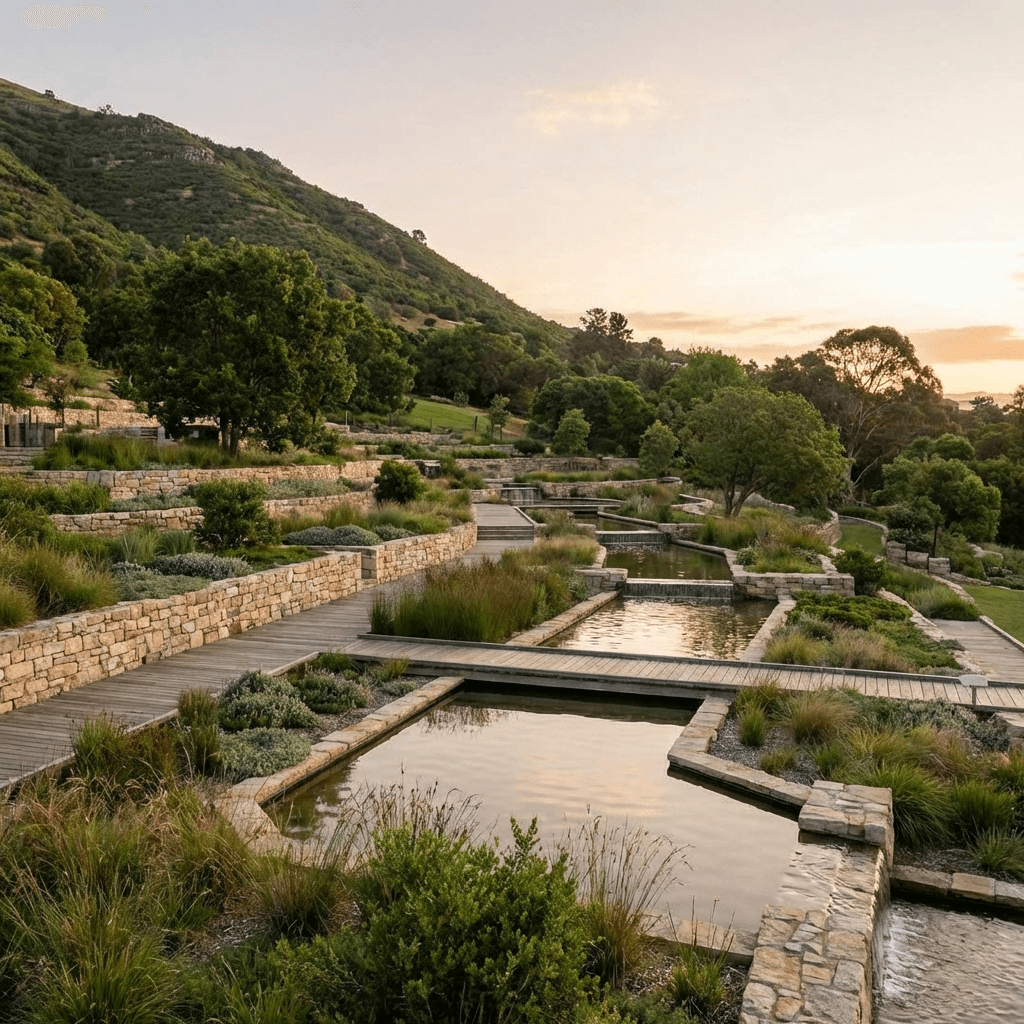
When upgrading a garden makes more sense
Not every landscape is a liability. In many cases, what already exists provides valuable information — and sometimes real advantages — that would be lost by starting over.
Established gardens reveal how a site behaves. Areas that remain dry, sections that struggle, spaces that are rarely used, and planting that consistently thrives all offer insight that can’t be predicted on paper. This feedback can make targeted upgrades more informed and less speculative than designing from scratch.
Upgrading also makes sense when the existing structure is fundamentally sound. Well-built retaining walls, effective drainage, and irrigation systems that can be adapted rather than replaced often form a solid foundation for improvement. In these situations, selective changes can improve function and appearance without reintroducing risk at a structural level.
There are also practical considerations. Mature trees, established screening, and developed soil profiles take years to replace. Removing them may solve one problem while creating several new ones. Where these elements are working, it is often more effective to redesign around them than to treat them as obstacles.
The key is recognising whether existing elements are genuinely supporting the landscape — or merely compensating for deeper issues. Upgrading works best when it builds on what is already functioning, rather than attempting to disguise problems that should be addressed at their source.
The hybrid reality most people actually end up in
In practice, most landscape projects don’t fit neatly into the categories of “starting over” or “upgrading.” They land somewhere in between.
Hybrid approaches are common because they reflect reality. Some elements of a landscape may be working well, while others are clearly holding everything else back. The challenge is identifying which parts are worth preserving and which ones are introducing unnecessary risk.
This often means removing or reworking specific structural components — such as levels, drainage paths, or irrigation layouts — while keeping mature planting, established screening, or functional areas that already perform as intended.
A common hybrid scenario involves retaining mature planting or screening while selectively reworking levels or drainage beneath them. The overall appearance of the garden may change very little, even though its performance improves significantly because underlying constraints have been addressed.
Hybrid projects also allow work to be phased. Foundational issues can be resolved first, with more visible or cosmetic changes following later. This sequencing not only spreads cost and disruption over time, but also allows the landscape to respond before further decisions are locked in.
The success of this approach depends less on what is kept or removed, and more on why those choices are made.
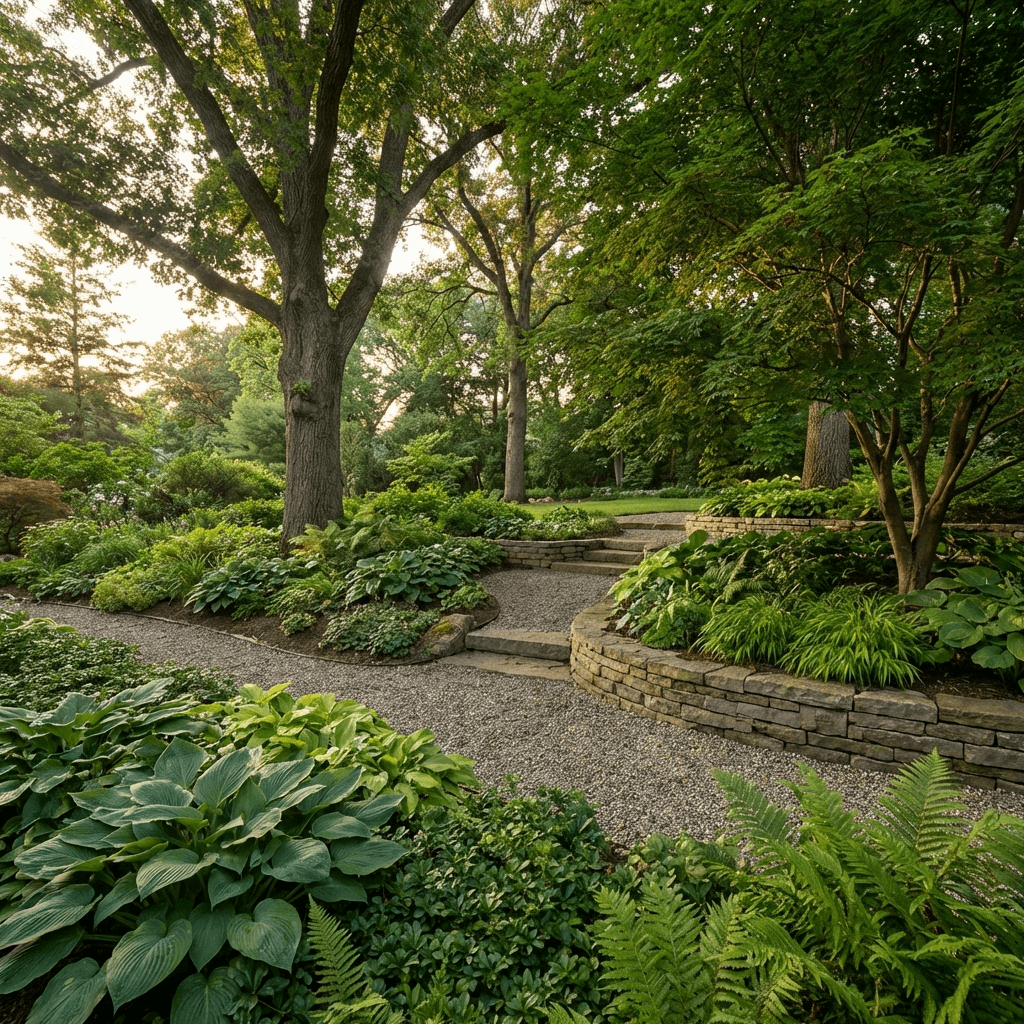
How to think about professional help, without over- or under-committing
One of the most common questions people wrestle with during a landscape project is how much professional help is actually necessary. The answer is rarely “everything” — but it’s also rarely “nothing.”
A useful way to think about professional involvement is not in terms of effort, but in terms of risk. Some decisions carry consequences that are inconvenient if they’re wrong. Others carry consequences that are structural, expensive, or disruptive to undo. These are the moments where experience matters most.
Professional input tends to add the most value where decisions are difficult to reverse. Issues like levels, drainage paths, stormwater behaviour, and irrigation layout affect everything that follows. When these are poorly understood upfront, even well-intentioned work can lock a landscape into ongoing problems that require repeated intervention.
There are also areas where experimentation is far less costly. Planting, finishes, and cosmetic adjustments often benefit from time and observation. These elements respond visibly to changes and can be refined as the landscape evolves, without destabilising what sits beneath them.
The challenge is knowing the difference. Over-committing to professional help can feel unnecessary and restrictive. Under-committing can leave you correcting avoidable mistakes long after the project should have settled. The most effective approach is usually selective — bringing expertise in areas where decisions carry long-term consequences, and allowing flexibility where the landscape can adapt safely.
Reframing the decision
Deciding whether to start from scratch or upgrade an existing landscape is rarely about preference. It’s about understanding where risk lives — and how much of it you’re willing to carry forward.
Some choices are forgiving. Others quietly shape everything that follows. The challenge isn’t avoiding mistakes entirely, but recognising which ones will cost time, money, and disruption long after the work feels finished.
Landscapes that settle well over time tend to share one thing in common: early decisions were made with an understanding of how the site would behave, how systems would interact, and which elements could safely evolve later.
Whether a project begins with bare ground, an existing garden, or something in between, clarity at the decision-making stage matters more than the starting point itself. Knowing where flexibility exists — and where it doesn’t — is what ultimately determines whether a landscape becomes easier to live with, or harder to fix.
Frequently Asked Questions
Is it better to start a garden from scratch or upgrade an existing one?
There is no universal answer. The better option depends on where risk sits in the existing landscape. If foundational systems like drainage, levels, or retaining walls are misaligned, starting from scratch can offer more control. When core elements are sound, upgrading selectively is often the lower-risk approach.
Which landscaping decisions are the hardest to change later?
Structural and system-level decisions are the most difficult to undo. These include retaining, drainage, stormwater management, and irrigation layout. Once other elements are built around them, correcting mistakes usually requires significant disruption.
Can parts of an existing garden be kept while others are rebuilt?
Yes. Many successful projects follow a hybrid approach. Mature planting, screening, or functional areas can often be retained while problematic systems beneath them are selectively reworked. The key is understanding which elements support the landscape and which ones limit it.
When does professional landscaping input add the most value?
Professional input is most valuable where decisions are difficult to reverse. This includes planning levels, managing water movement, and coordinating systems that affect the entire site. These decisions benefit from experience because their consequences are long-term.
Why do landscaping problems often appear months or years later?
Many issues are caused by early decisions whose effects only become visible over time. Water movement, soil settlement, and system interactions often reveal problems gradually, long after the initial work feels finished.